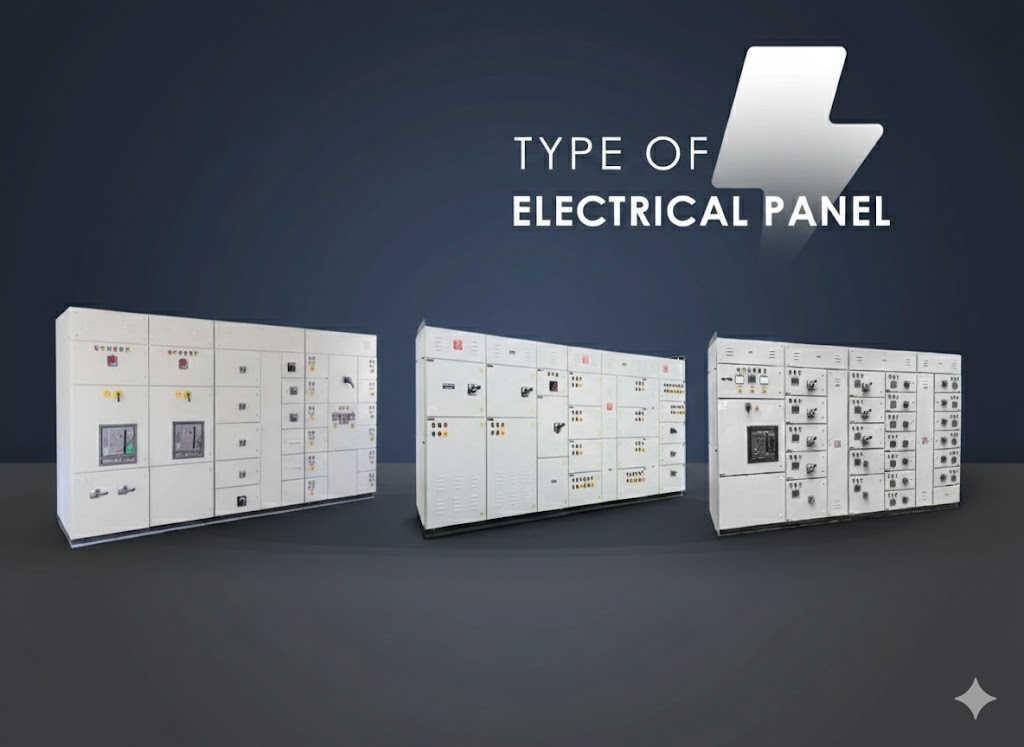
Electric panels are a critical part of electrical systems, facilitating the safe and efficient distribution of power to various loads. Each type of panel is designed to meet specific requirements, whether for residential, commercial, or industrial applications. Understanding the different types of electric panels helps in selecting the right panel for safety, functionality, and efficiency.
Serves as the central hub for electrical distribution in a facility.
Found in commercial and industrial buildings, factories, and residential complexes.
Extends power from the main panel to different sections of a building.
Used in large buildings, apartments, or factories where power needs to be distributed across multiple locations.
Controls and manages electric motors efficiently
Found in industries with heavy motor operations like manufacturing, HVAC systems, and water treatment plants.
Features :-
Controls and manages electrical power distribution.
Used in industries such as steel plants, cement plants, and refineries.
Automatically switches to a backup power source in case of main power failure.
Used in hospitals, data centers, telecom industries, and buildings with standby generators.
Improves power factor and reduces electricity losses.
Found in industries with high inductive loads such as steel mills, paper mills, and foundries.
Features :
Controls and distributes power to lighting circuits in a facility.
Used in homes, commercial buildings, malls, and parking areas.
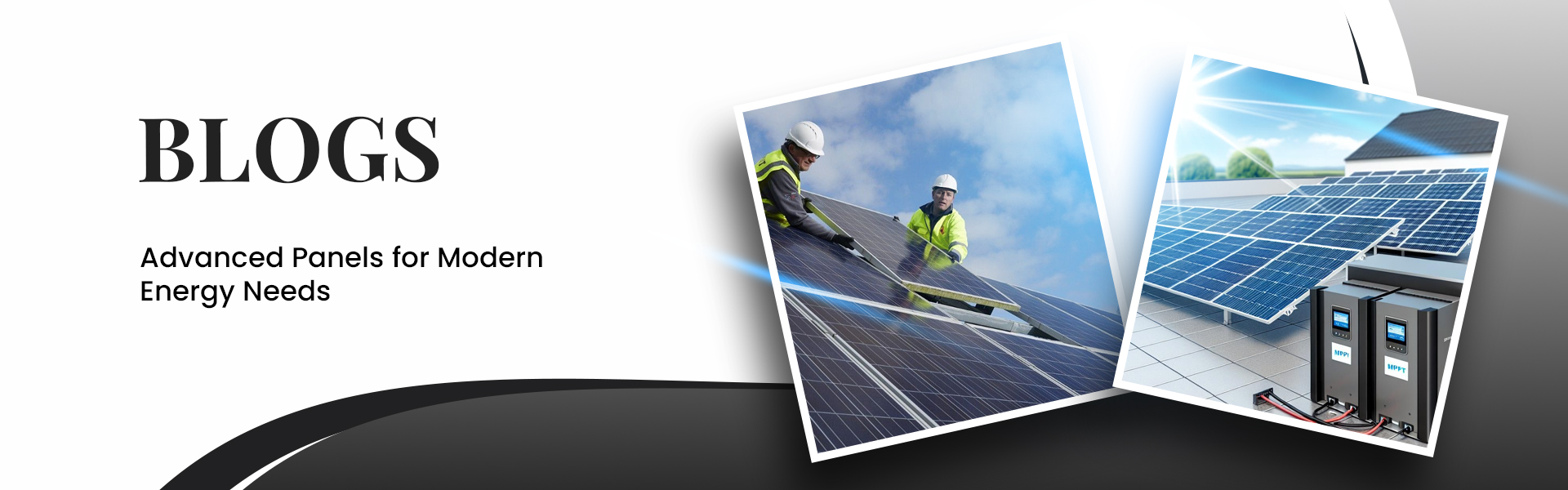
Used in solar power plants for proper power distribution.
ACDB distributes AC power, while DCDB distributes DC power in solar panel systems.
Different types of electric panels play crucial roles in electrical systems, ensuring power distribution, safety, and efficiency across various applications. Whether for residential, commercial, or industrial use, choosing the right type of panel enhances system reliability, prevents electrical hazards, and improves power management.